About MI CARES
MI CARES was developed with the dual goal of helping physicians enroll in the Practice Pathway program to obtain their Addiction Medicine certification as efficiently as possible, and to introduce the fundamentals of Addiction Medicine to medical students to increase knowledge and spread awareness among future medical professionals.
MI CARES today aims to address the overwhelming need for Addiction Medicine specialist by providing a robust overview of the Addiction Medicine core content for the board exam and educating social workers and medical students in Addiction Medicine.
Dr. Cara Poland
In 2018, board-certified Addiction Medicine Doctor Cara Poland identified the need to strengthen our country’s Addiction Medicine workforce. By utilizing State Opioid Response funds and creating collaboration among Michigan’s seven medical schools, MI CARES was born.
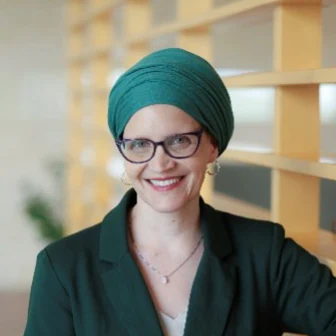
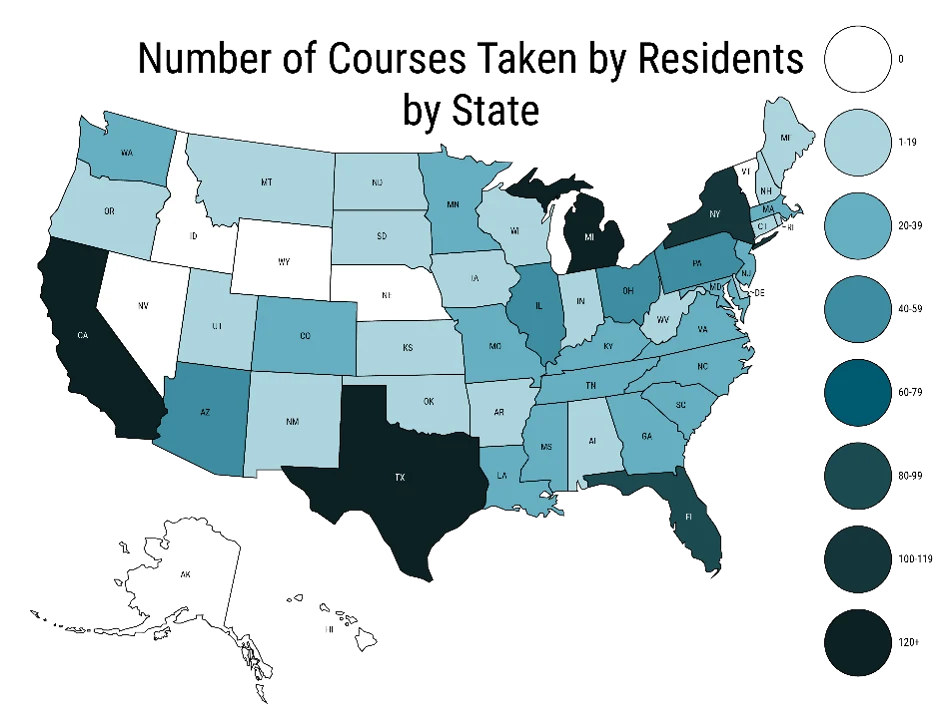
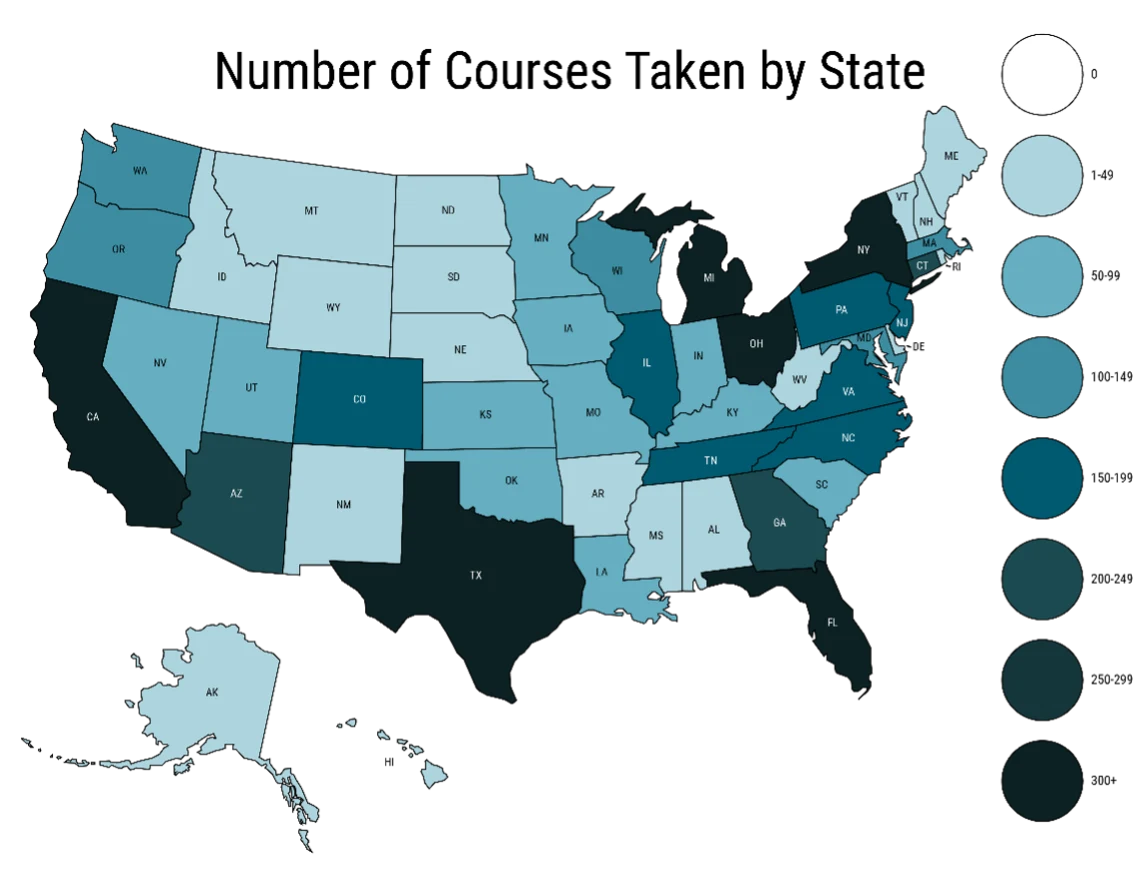
Led by Dr. Poland, MI CARES trains healthcare providers across the nation. MI CARES is the largest U.S. Addiction Medicine workforce development program. Over 400 physicians in 44 states have become board-certified in Addiction Medicine with support from MI CARES.
Dr. Poland advises policymakers, leads research education initiatives, and develops innovative curricula for healthcare professionals in training and practicing healthcare professionals. Her work is grounded in evidence, empathy, anti-stigma, and systems-level change, with a focus on family-centered models.
MI Success
Addressing the Workforce Gap
At the outset, MI CARES set two ambitious goals: To increase the Addiction Medicine workforce in Michigan, and to implement an Addiction Medicine curriculum into undergraduate medical education. Initially, MI CARES was developed as a regional initiative to address the need for Addiction Medicine specialists in Michigan.
The Practice Pathway
The Practice Pathway was the mechanism for physicians meeting eligibility requirements for certification in Addiction Medicine without completing an ACGME-accredited fellowship. MI CARES supported physicians applying for Addiction Medicine certification through the Practice Pathway with the American Board of Preventive Medicine (ABPM) assessing providers’ current roles and responsibilities to determine how they can translate to meet the time-in-practice requirements for Addiction Medicine certification.
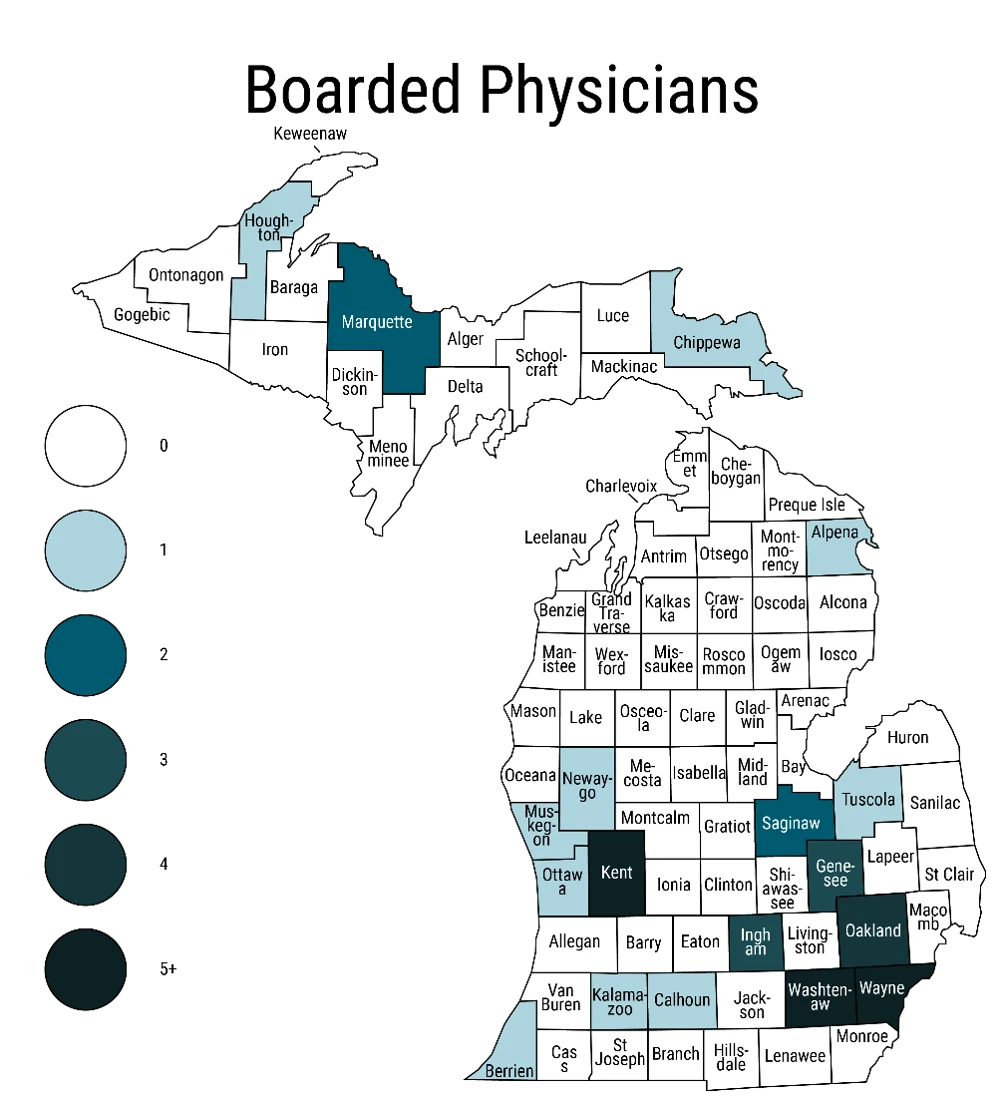
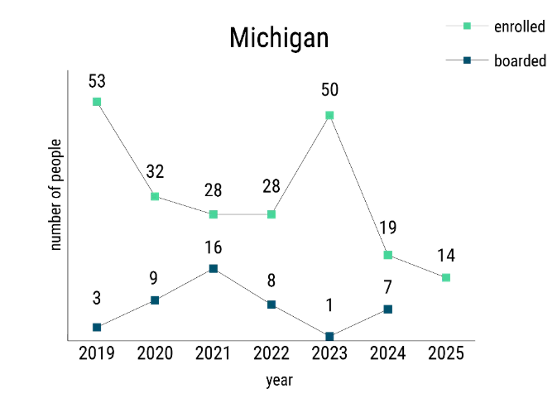
From 2018 through 2024, MI CARES assisted 44 physicians in Michigan to receive Addiction Medicine certification.
Current numbers show that at least 20% of all Michigan MI CARES enrollees were qualified, accepted, and board-certified in Addiction Medicine.
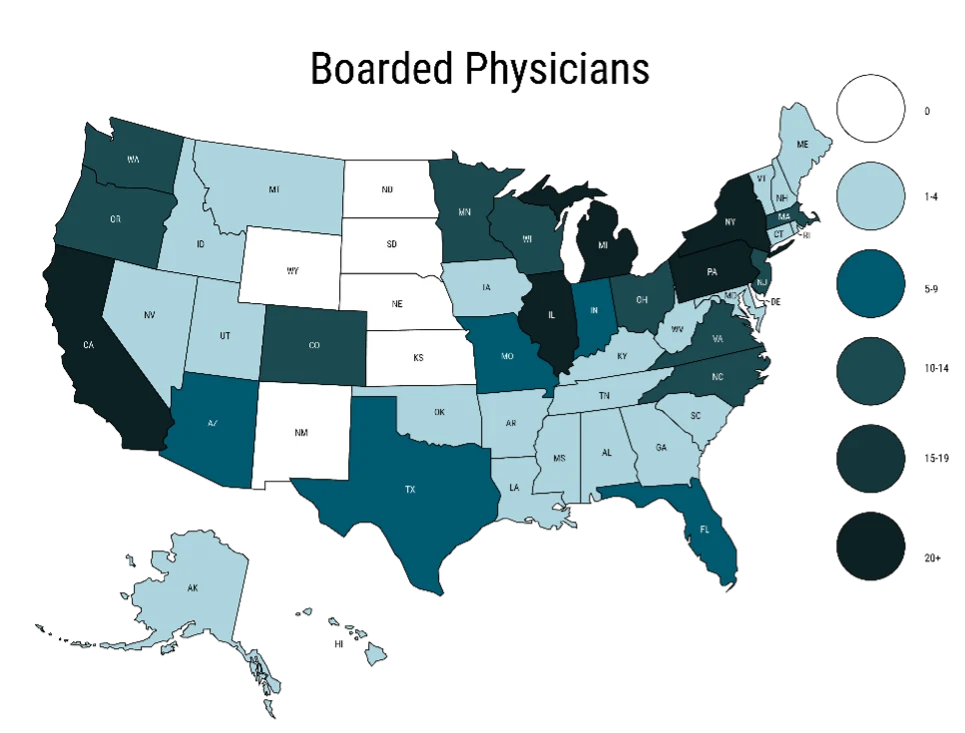
What began as a state initiative quickly expanded nationwide, underscoring a significant need among applicants through the Practice Pathway. Out-of-state enrollment increased to all 50 states, with 366 board-certified participants across all but six states.
The ABPM Practice Pathway sunset in 2025, but those accepted have until 2028 to pass the certification exam, so these numbers will continue to rise.
UME Education
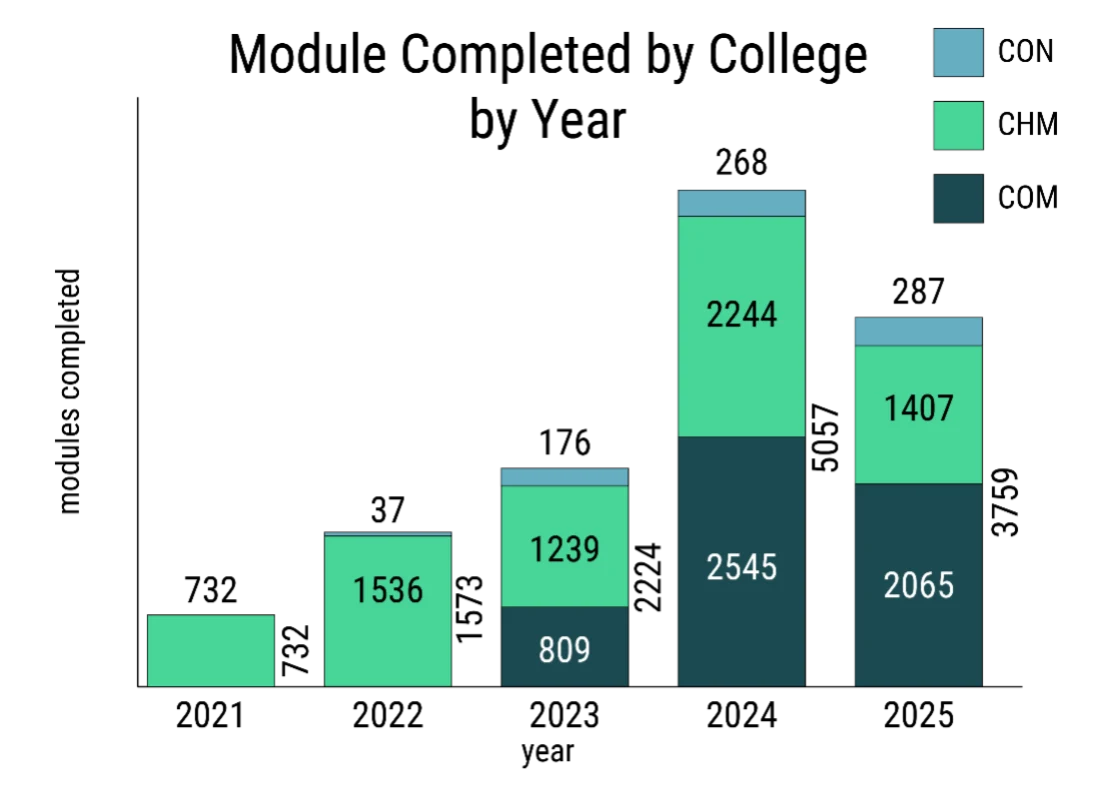
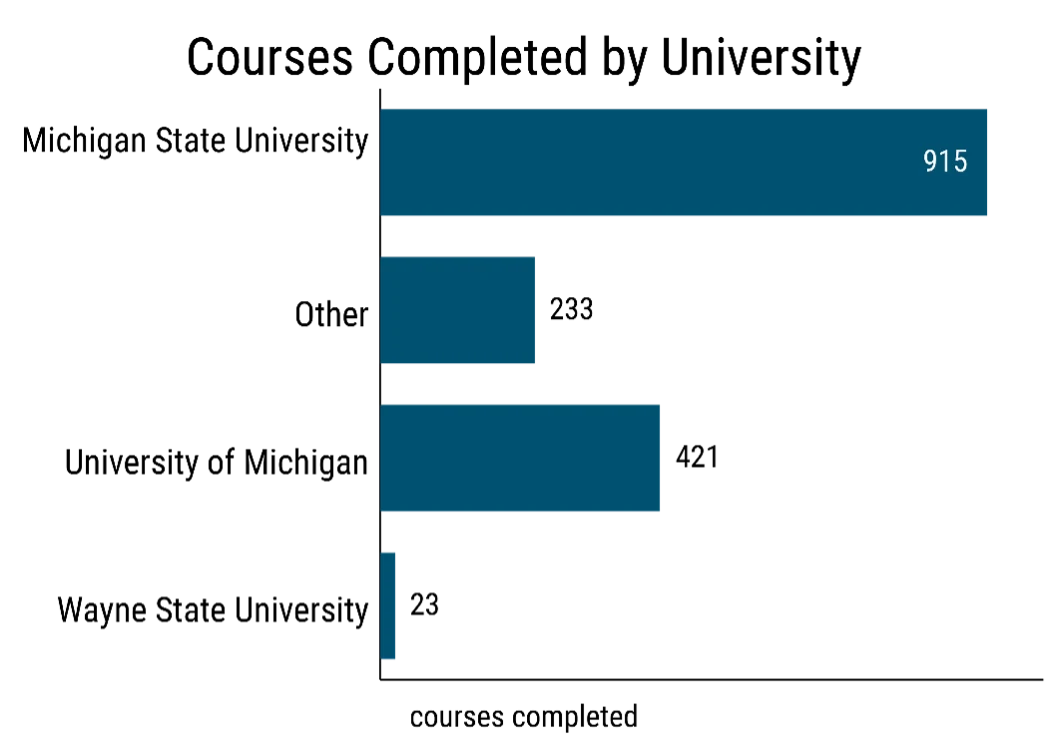
Another component of addressing the workforce gap is training medical students in addiction medicine before they go into residency. MI CARES aims to provide an extensive anti-stigma Addiction Medicine curriculum to medical students through a variety of synchronous and asynchronous learning opportunities. We introduce students to the fundamentals of Addiction Medicine, increasing knowledge and awareness through a curriculum that spans all four years of medical school. MI CARES has provided thousands of hours of medical education at Michigan State University College of Human Medicine, College of Nursing, and College of Osteopathic Medicine.
Beginning in late 2023, MI CARES partnered with schools of social work in Michigan to provide the next generation of social workers with Addiction Medicine education. MI CARES has over 300 total Social Science users enrolled with over 1,000 courses completed.
Starting January 2026, we will offer free CE credits for approved modules, totaling over 20 hours of content. Social science students are provided with SUD content spanning a variety of subjects, including stigma, marginalized populations, and the biological underpinnings of substance use disorder.
Residency Education
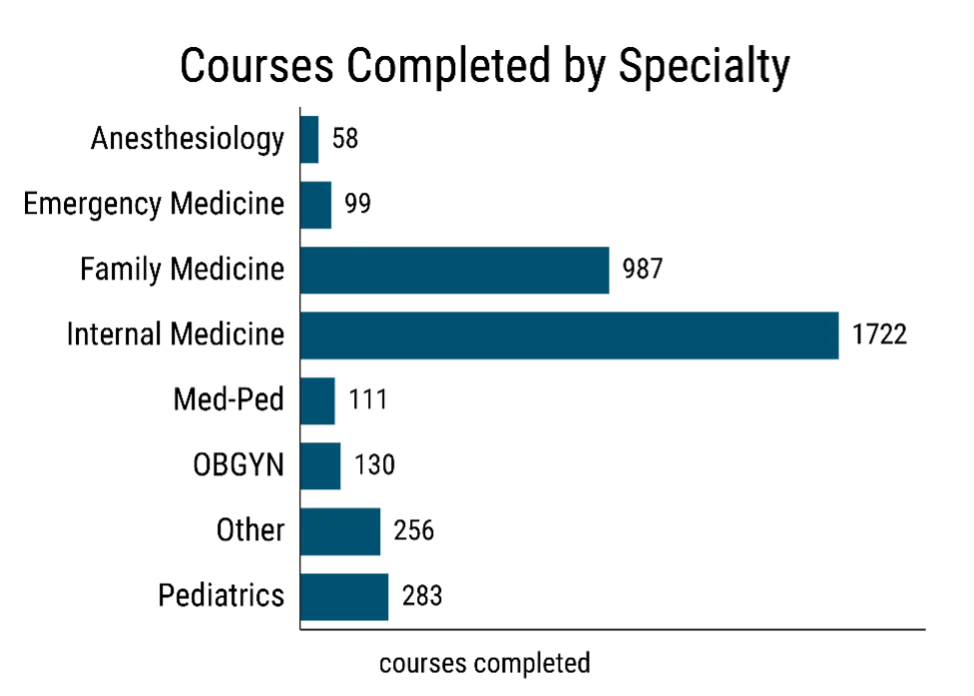
MI CARES has partnered with a variety of specialties to provide Addiction Medicine education for residents in the United States. Programs can choose which MI CARES modules best suit their needs. Research has shown a marked stigma against training for SUD. We hope that by educating residents, we bring forth evidence-based, anti-stigma treatment before negative attitudes can form. We want them to have as much judgement-free knowledge as possible to help combat the addiction crisis.
Beginning in late 2023, MI CARES partnered with schools of social work in Michigan to provide the next generation of social workers with Addiction Medicine education. MI CARES has over 300 total Social Science users enrolled with over 1,000 courses completed.
Starting January 2026, we will offer free CE credits for approved modules, totaling over 20 hours of content. Social science students are provided with SUD content spanning a variety of subjects, including stigma, marginalized populations, and the biological underpinnings of substance use disorder.
MATE Act Training
The X-Waiver was abolished by the DEA in January 2023. The MI CARES curriculum provided all necessary content areas to meet the new DEA requirements for MATE Act Training. This includes an 8-hour training session, certificate completion, and no-cost CME credits. MI CARES provided thousands of hours of training nationally to meet the new DEA requirements.
Beginning in late 2023, MI CARES partnered with schools of social work in Michigan to provide the next generation of social workers with Addiction Medicine education. MI CARES has over 300 total Social Science users enrolled with over 1,000 courses completed.
Starting January 2026, we will offer free CE credits for approved modules, totaling over 20 hours of content. Social science students are provided with SUD content spanning a variety of subjects, including stigma, marginalized populations, and the biological underpinnings of substance use disorder.
For Educators
Are you an educator interested in bringing Addiction Medicine to your institution?
Reach Out Today!Sample Content
What to Expect
Our addiction medicine curriculum addresses the relationship between prevailing biases in healthcare and attitudes toward addiction. Our stigma module is just one example of the way our program educates learners on the full range of factors standing in the way of effective treatment.